
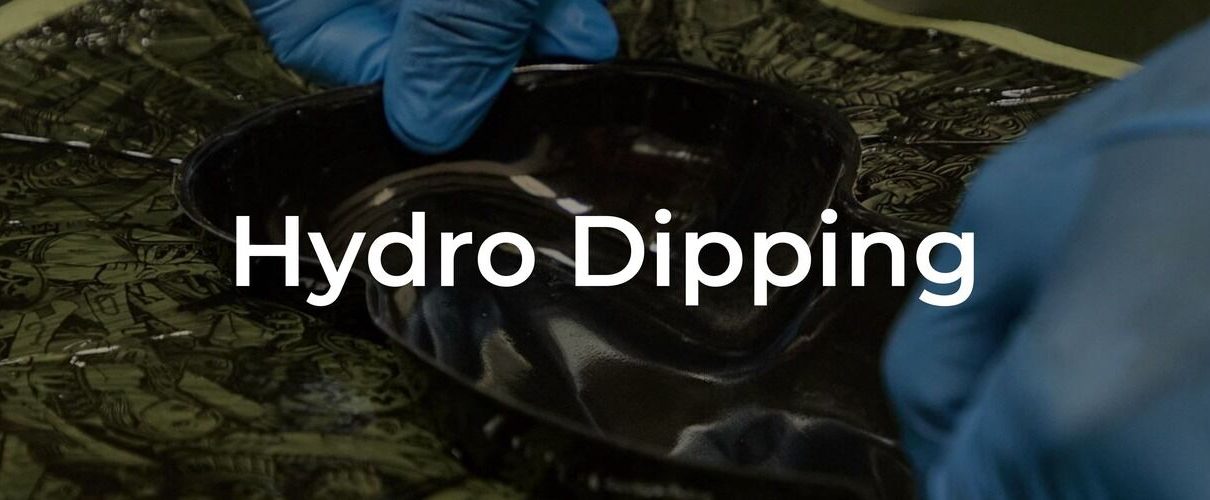
Hydro dipping, also known as water transfer printing, has become a game-changer for creating custom designs and adding a personal touch to various objects. This exciting technique allows you to apply intricate patterns to a wide range of items, giving them a professional and eye-catching appearance.
However, many people wonder which materials can be used in this process. The truth is, with the right preparation and technique, a surprising variety of items can become the perfect canvas for hydro dipping. If you’re considering trying this technique yourself or hiring a professional hydro dipping company, it’s important to know which materials work best.
Plastics
Plastics are among the most popular materials for hydro dipping. Items like phone cases, gaming controllers, helmets, and automotive parts often take on vibrant, durable designs thanks to this process. Plastics require careful cleaning and priming to ensure the coating adheres properly, but once prepared, they can take on practically any color or pattern. Their smooth surface makes them particularly well-suited to water transfer printing, ensuring crisp, clear results.
Metal
Metal objects also perform exceptionally well in hydro dipping. Car enthusiasts often use the technique to customize metal parts like rims, gear shifters, and engine covers. Beyond automotive applications, you can also dip items like firearms, water bottles, or decorative furniture pieces. With proper priming and base coating, the patterns applied to metals tend to be long-lasting and durable even under frequent use or handling.
Wood
Many may not realize that wood, when correctly treated, can be hydro dipped seamlessly. Items such as guitars, picture frames, and furniture surfaces can be uniquely customized through this method. The key is ensuring the wood is sanded smooth and sealed with a primer before dipping. Once coated, the wood surface can showcase bold patterns that accentuate its natural texture, delivering stunning results.
Glass
Although hydro dipping glass requires extra care, it opens up a world of creative possibilities. Commonly dipped glass items include vases, bottles, and even glassware for special occasions. Applying hydrographic designs to glass gives it a fresh aesthetic that enhances both functional and decorative pieces. A proper adhesion promoter and a steady hand are typically required to succeed with glass.
Ceramics
Ceramic objects such as mugs, tiles, and figurines can also be revitalized through hydro dipping. Adding a durable coating ensures the final product will retain its design, even with regular use. This has made hydro dipping an increasingly popular option for personalizing home decor and gifts.